Ear Wax Removal: Safe Practices vs Common Myths
Ear wax, or cerumen, is a natural substance produced by our bodies to protect the ear canal. It traps dust, repels water, and has antibacterial properties. However, when it builds up, it can cause discomfort, hearing loss, and a feeling of fullness. At AHS, our team of otorhinolaryngology (ENT) specialists frequently helps patients manage this common issue. We believe in providing clear, compassionate guidance to separate safe, effective practices from widespread myths that can sometimes do more harm than good.
Understanding Ear Wax: Your Body’s Natural Protector
First, it’s helpful to understand that ear wax is not a sign of poor hygiene; it’s a sign of a healthy, functioning ear. It’s produced in the outer third of the ear canal and naturally migrates outwards, bringing dead skin cells and debris with it. Problems typically arise only when this natural cleaning process is disrupted or when wax is produced in excess.
Common Myths About Ear Wax Removal
Several misconceptions about ear wax removal persist, often leading to unsafe practices.
Myth 1: Cotton Buds Are a Safe Cleaning Tool
This is perhaps the most prevalent and risky myth. Inserting cotton buds, hairpins, or any small object into the ear canal often pushes wax deeper, compacting it against the eardrum. This can cause impaction, minor injuries to the sensitive ear canal skin, or even a perforated eardrum. Cotton buds should only be used to clean the outer folds of the ear.
Myth 2: Ear Candling is an Effective Removal Method
Ear candling involves placing a hollow, cone-shaped candle in the ear and lighting it, with claims that it creates a vacuum to draw out wax. There is no clinical evidence to support its effectiveness. In fact, it poses significant risks, including burns to the face or ear, candle wax blocking the ear canal, and eardrum perforation. Our specialists strongly advise against this practice.
Myth 3: You Need to Remove Ear Wax Regularly
For most people, the ears are self-cleaning. Regular, aggressive removal is unnecessary and can irritate the ear canal, leading to more wax production or infection. Intervention is only needed if you experience symptoms of a blockage.
Myth 4: All Ear Drops Are Safe for Home Use
While some over-the-counter drops can soften wax, they are not suitable for everyone. They should never be used if you have a perforated eardrum, an active ear infection, or have had ear surgery. If in doubt, it’s best to consult a doctor first.
Safe Practices for Managing Ear Wax
Our approach at AHS focuses on gentle, evidence-based methods that prioritise your ear health and safety.
- Let Nature Do Its Work
For most individuals, the best practice is non-intervention. The jaw motion from talking and chewing helps move old wax out of the ear canal naturally. Simply wiping the outer ear with a damp cloth after a shower is often sufficient.
- Safe Use of Ear Drops (When Appropriate)
If you have a tendency to develop symptomatic wax buildup, a doctor may recommend softening drops. These can include:
- Water-based drops: Containing ingredients like sodium bicarbonate or certain dilute formulations. Note that hydrogen peroxide, while sometimes used, can irritate the ear canal skin at higher concentrations and should be avoided by patients with a history of ear problems.
- Oil-based drops: Such as olive oil or almond oil.
A few drops applied as directed — typically 3–5 days before irrigation, or up to two weeks if relying on natural migration — can help soften hardened wax. Always follow your doctor’s advice rather than using drops beyond the recommended period.
- Gentle Irrigation
Sometimes called ear syringing, this involves using a controlled stream of warm water to dislodge softened wax. This should not be attempted at home with high-pressure devices, as incorrect water temperature or pressure can cause dizziness or damage the eardrum. When performed by a trained nurse or doctor in a clinic setting with proper equipment, it can be a safe and effective method. Irrigation is more commonly used in primary care settings; in a specialist ENT clinic, microsuction (see below) is generally preferred as it offers direct visualisation and avoids the risks associated with water entering the ear canal.
- Professional Manual Removal
Microsuction is the preferred method in a specialist ENT setting. Our specialists use an operating microscope or otoendoscope for precise, magnified visualisation of the ear canal, and remove wax using a fine suction device or a small curette. Because no water is introduced, this method is safe for patients with a perforated eardrum, previous ear surgery, or a history of chronic ear disease — patients for whom irrigation would be contraindicated. It also allows the specialist to see exactly what they are doing throughout the procedure, making it the safest and most controlled approach available.
- Seeking Professional Help
You should consider seeing a doctor if you experience:
- A persistent feeling of fullness or blockage in the ear.
- Partial hearing loss that worsens.
- Earache, tinnitus (ringing in the ear), or itchiness.
- Discharge or an odour coming from the ear.
- Dizziness or coughing (less common symptoms, caused by stimulation of the vagus nerve via the ear canal — a reminder of how closely connected the ear is to other systems).
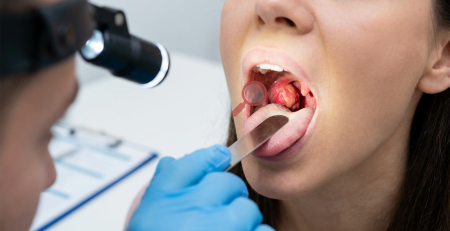
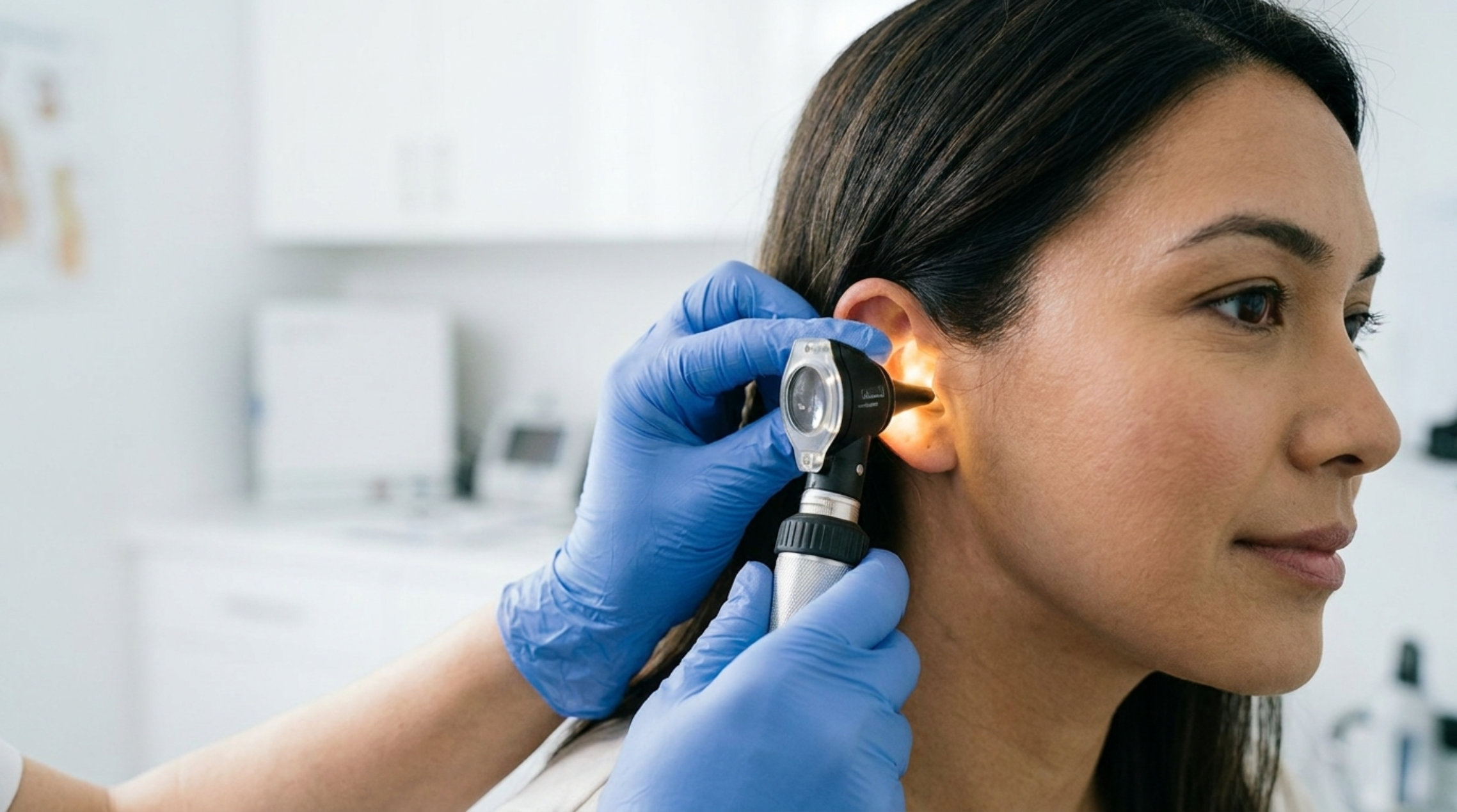
A doctor can examine your ear canal with an otoscope, or in a specialist ENT setting with an otoendoscope or operating microscope for greater magnification and clarity. This allows an accurate assessment of whether wax is the cause, and how best to remove it safely.
The AHS Approach: Holistic and Patient-Centred Care
At Asian Healthcare Specialists, our ENT specialists understand that ear issues can be a source of significant anxiety and discomfort. Our philosophy is grounded in care, compassion, and clinical rigour.
When you visit us for concerns about ear wax or any ear-related condition, you can expect:
- A Thorough Examination: We take time to understand your symptoms and ear history before examining your ears using an otoendoscope or operating microscope — tools that give us a far clearer picture than a standard otoscope.
- Clear Explanation: We will explain what we see, why it might be causing your symptoms, and talk you through the recommended removal options, ensuring you feel informed and comfortable.
- Gentle, Expert Treatment: Where microsuction is indicated, our ENT specialists perform the procedure under direct microscopic vision, giving you the safest, most precise form of wax removal available in an outpatient setting.
- Personalised Advice: We provide guidance tailored to your ear type and history. For example, many Singaporeans have dry-type cerumen, which is more prone to impaction and less responsive to oil-based drops — a factor we consider when recommending ongoing ear care.
Ear wax is a natural part of your body’s defences, and for most people it needs no intervention at all. One factor worth knowing in a Singapore context is that most East Asians produce dry-type cerumen, which is flakier and less mobile than the wet type more common in Caucasian and African populations. Dry cerumen is more likely to accumulate and compact, and responds less well to oil-based softening drops — making professional microsuction the most reliable management option when a blockage does develop.
If you are experiencing ear fullness, muffled hearing, tinnitus, or earache, our ENT specialists at AHS can assess and treat you quickly and safely using microsuction under direct vision. Book an appointment at https://dralextham.asianhealthcare.com.sg/
Disclaimer: This article is intended for informational purposes only and does not constitute medical advice. Please consult a qualified healthcare professional for diagnosis and personalised treatment.

Medically reviewed by Dr Alex Tham
Consultant Otorhinolaryngologist – Head and Neck Surgeon
MBBS (Singapore), MRCSEd (ENT), MMED (ORL), FAMS (ORL)