Persistent Snoring: Does It Always Point to Sleep Apnoea?
Snoring is a common nightly soundtrack in many households. For some, it’s an occasional nuisance; for others, a persistent, nightly occurrence. If you or your partner snore regularly, you may have wondered about the implications for your health, particularly whether it signals a more serious condition like sleep apnoea. While persistent snoring is a key symptom of obstructive sleep apnoea (OSA), it is not always a definitive indicator. Understanding the relationship between the two is crucial for seeking appropriate care and ensuring restful sleep and long-term wellbeing.
Understanding Snoring: The Simple Mechanics
Snoring occurs when the flow of air through the mouth and nose is partially obstructed during sleep. This causes the tissues in the throat—the soft palate, uvula, tonsils, and tongue—to vibrate, producing the familiar rumbling or rattling sound. Common factors that can lead to or worsen snoring include:
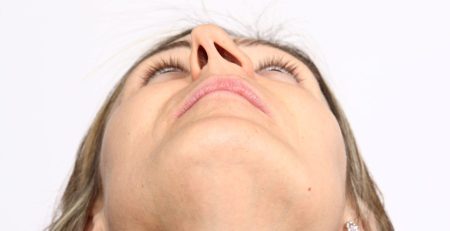
- Anatomy: A low, thick soft palate, enlarged tonsils or adenoids, or a deviated nasal septum.
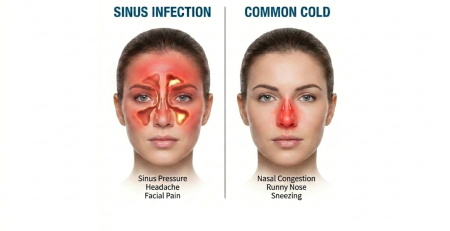
- Nasal Congestion: From allergies, colds, or sinus issues.
- Sleep Position: Sleeping on your back can cause the tongue to fall backward, narrowing the airway.
- Lifestyle Factors: Being overweight, alcohol consumption, certain medications, and smoking.
Many of these causes result in primary snoring—snoring that is not associated with more serious sleep-disordered breathing or frequent awakenings.
When Snoring is a Red Flag: Understanding Sleep Apnoea
Obstructive Sleep Apnoea (OSA) is a medical condition where the airway becomes completely or partially blocked repeatedly during sleep. These pauses in breathing, called apnoeas (complete cessations) or hypopnoeas (partial reductions in airflow), can last from a few seconds to over a minute and may occur hundreds of times a night. The brain briefly rouses you to restart breathing, often with a loud gasp or snort, fragmenting your sleep cycle.
Key symptoms that often distinguish sleep apnoea from primary snoring include:
- Loud, Chronic Snoring: Often the most noticeable symptom.
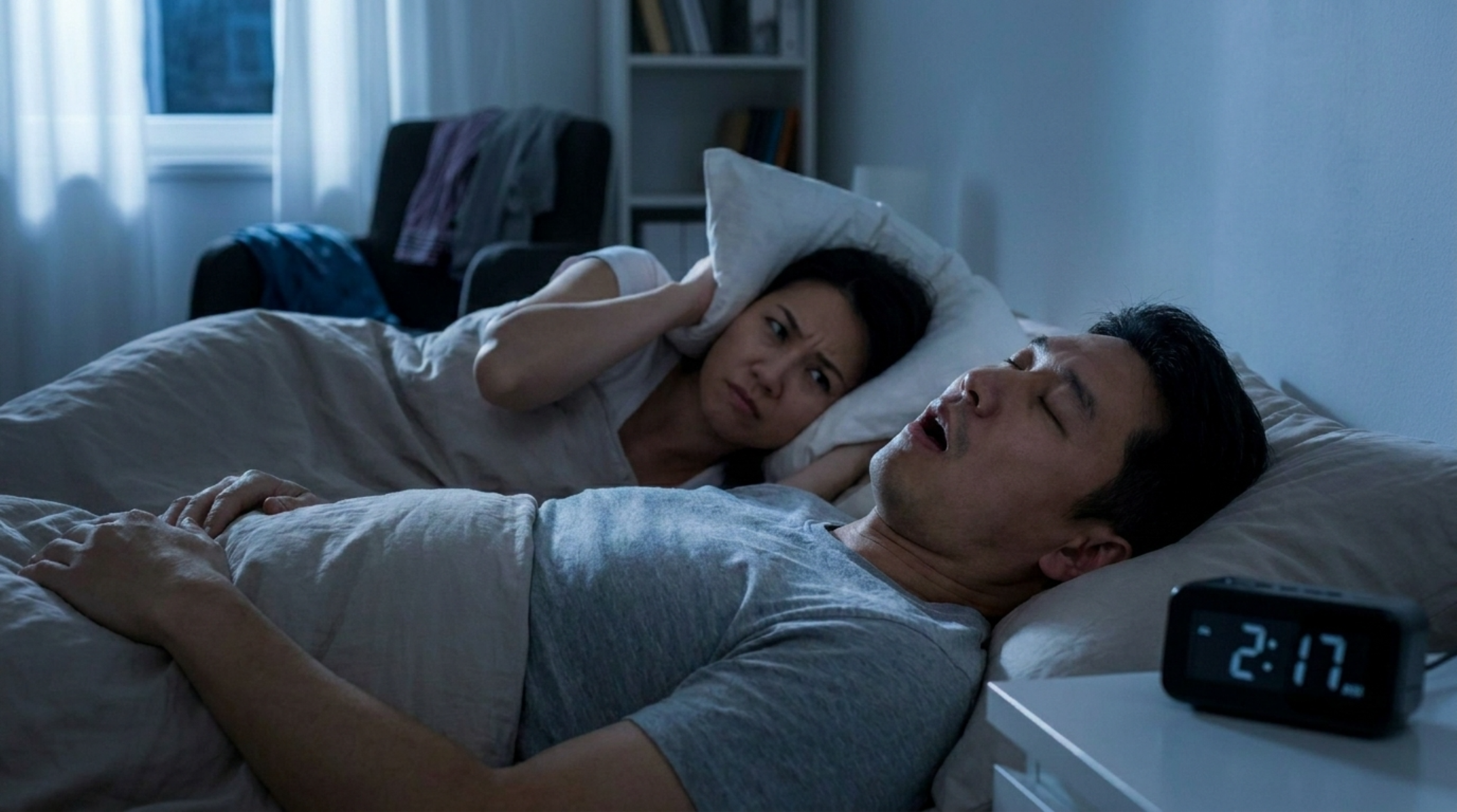
- Witnessed Breathing Pauses: A partner may observe you stop breathing, then choke or gasp for air.
- Excessive Daytime Sleepiness: Feeling unrefreshed despite a full night’s sleep, leading to fatigue, morning headaches, and difficulty concentrating.
- Restless Sleep and Frequent Awakening.
The crucial difference lies in the apnoeas and hypopnoeas — the actual stoppages or reductions of breath — and the resulting oxygen deprivation and sleep fragmentation. Persistent snoring without these events or significant daytime impairment is typically classified as primary snoring.
So, Does Persistent Snoring Always Mean Sleep Apnoea?
In short, no. While it is a major warning sign and the most common symptom of OSA, many people who snore do not have sleep apnoea. The conditions exist on a spectrum. Some individuals have Upper Airway Resistance Syndrome (UARS) — a recognised condition where repeated partial obstructions fragment sleep and cause daytime fatigue, without meeting the threshold for OSA. UARS is frequently underdiagnosed and is best identified through formal sleep evaluation.
This is why professional evaluation is essential. Dismissing loud, persistent snoring as merely a nuisance can mean overlooking a treatable condition that has significant health implications if left unmanaged, including an increased risk for hypertension, heart disease, stroke, and type 2 diabetes.
Seeking Clarity and Care: The Path to Diagnosis
If you experience persistent snoring accompanied by daytime fatigue, witnessed breathing pauses, or other concerning symptoms, the responsible step is to consult a healthcare professional. At AHS, our multidisciplinary approach is well-suited to address such concerns.
Your journey typically begins with a consultation, often with a Family Physician or an Otorhinolaryngology (ENT) Specialist. They will conduct a thorough assessment, which may include:
- Detailed Medical and Sleep History: Discussing your symptoms, sleep patterns, and overall health.
- Physical Examination: Checking your nose, mouth, and throat for structural causes of obstruction.
- Sleep Study (Polysomnography): This is the definitive test for diagnosing sleep apnoea. It can be conducted in a sleep lab, or in milder cases with a home testing device — though home tests are less comprehensive and may underestimate OSA severity, so in-lab testing is preferred when comorbidities are present or results are inconclusive. The study measures your Apnoea-Hypopnoea Index (AHI) — the number of breathing events per hour — which is used to classify OSA as mild (AHI 5–14), moderate (15–29), or severe (30 or above).
A Holistic Approach to Management
The good news is that both primary snoring and obstructive sleep apnoea can be effectively managed. The right solution depends on the underlying cause and severity.
For Primary Snoring or Mild OSA, lifestyle modifications and simple interventions can make a substantial difference:
- Weight management.
- Altering sleep position (e.g., side sleeping).
- Avoiding alcohol and sedatives before bed.
- Treating nasal allergies or congestion.
- Using mandibular advancement devices (MADs — oral appliances fitted by a dentist with training in dental sleep medicine, who can calibrate them appropriately for your jaw anatomy and OSA severity).
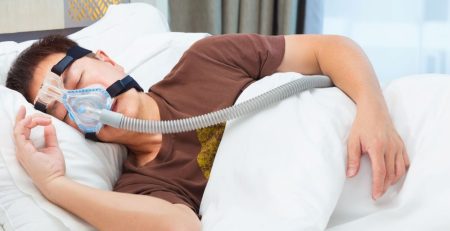
For Moderate to Severe Obstructive Sleep Apnoea, the most common and effective treatment is Continuous Positive Airway Pressure (CPAP) therapy. A CPAP machine delivers a gentle stream of pressurised air through a mask to keep your airway open during sleep. Positional therapy devices, which encourage side-sleeping throughout the night, are a useful adjunct for patients whose OSA is predominantly position-dependent.
In cases where a clear anatomical obstruction is identified — such as significantly enlarged tonsils, a deviated nasal septum, or excess soft tissue in the upper airway — surgical options may be considered by an ENT specialist. These range from septoplasty and tonsillectomy to pharyngeal procedures such as uvulopalatopharyngoplasty (UPPP), which reshapes the soft palate and throat to widen the airway.
At AHS, our team of specialists, including ENT doctors and family physicians, work collaboratively to create a personalised care plan — from initial assessment and sleep study referral through to surgical intervention where needed. We focus not just on treating a symptom, but on understanding your overall health to support better sleep and improved quality of life.
Conclusion: Listen to the Signs
Persistent snoring is your body’s way of signalling that your airway is facing resistance during sleep. While it does not automatically equate to sleep apnoea, it should not be ignored — and it is always worth ruling out OSA or UARS with a formal assessment.
At AHS, our ENT specialists can guide you from initial consultation through to diagnosis and treatment — whether that means a sleep study referral, a trial of CPAP therapy, or a surgical assessment. If persistent snoring is disrupting your rest or your partner’s, book an appointment with our team at https://dralextham.asianhealthcare.com.sg/
Disclaimer: This article is intended for informational purposes only and does not constitute medical advice. Please consult a qualified healthcare professional for diagnosis and treatment tailored to your individual health needs.

Medically reviewed by Dr Alex Tham
Consultant Otorhinolaryngologist – Head and Neck Surgeon
MBBS (Singapore), MRCSEd (ENT), MMED (ORL), FAMS (ORL)